Search for
SupportDengue Testing: Key Steps and Precautions

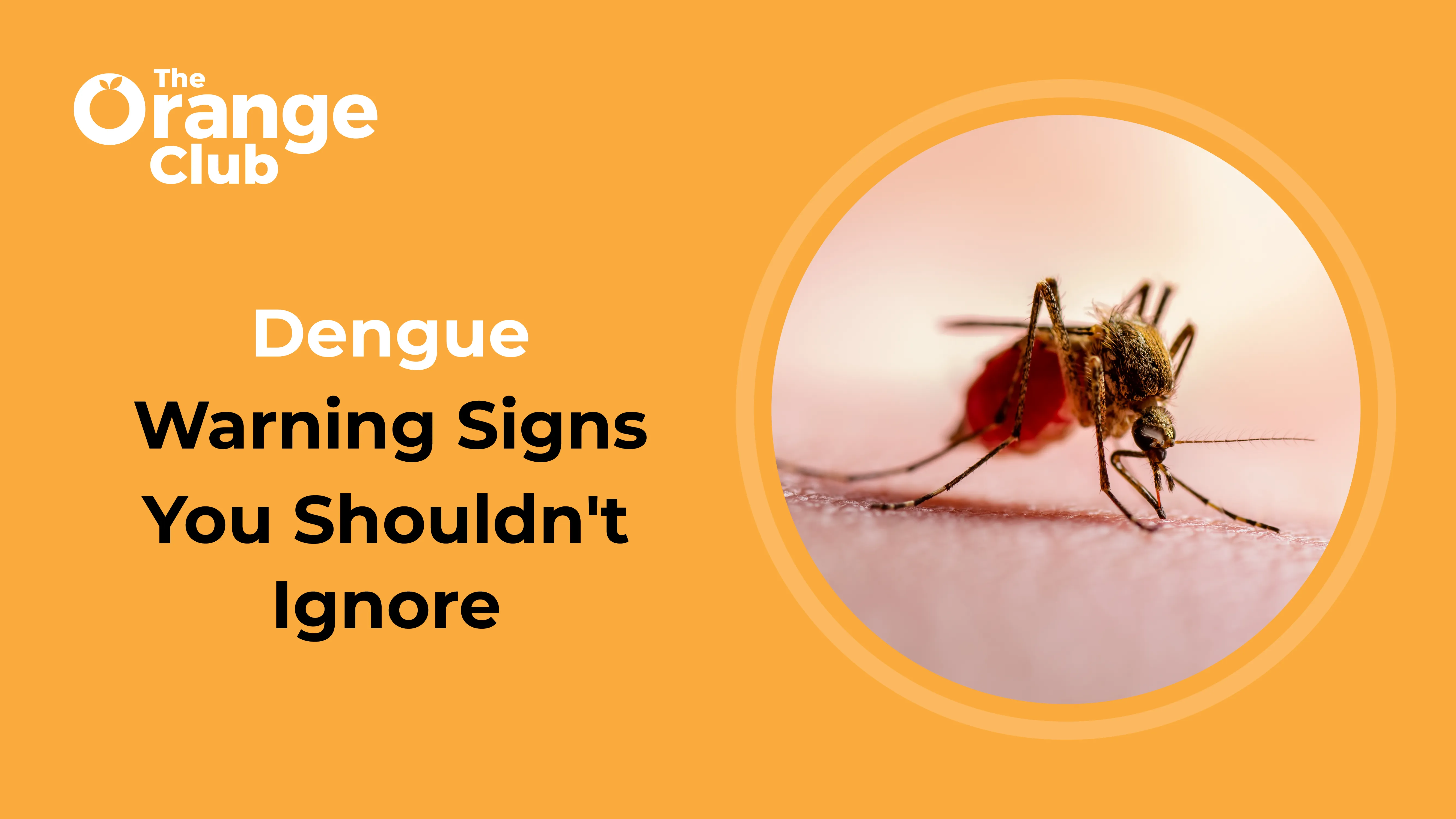
Dengue fever is a big health problem that affects millions of people each year, worldwide. It is spread by mosquitoes and can cause mild symptoms such as a slight fever to serious problems like bleeding inside the body and organ damage. Detecting it early by getting tested is vital for better management and full recovery.
Understanding Dengue Fever
Dengue fever is a viral infection caused by the dengue virus, which is transmitted through the bite of an infected mosquito. The infection can lead to a range of symptoms, including high fever, joint pain, nausea, vomiting, headache, muscle pain and in some cases, a distinctive skin rash. These symptoms are usually present for 2 to 7 days, and most people start feeling better within a week. However, sometimes your dengue fever may progress to severe dengue, and if not treated immediately, can lead to death as well. If you have dengue, you should monitor for severe dengue symptoms, which typically arise 24 to 48 hours after your fever subsides. Look for signs like:
- Vomiting (at least three times within 24 hours)
- Blood in vomit or stool
- Nosebleeds or bleeding gums
- Belly pain and tenderness
- Feeling unusually tired, restless, or irritable
If you notice any warning signs of severe dengue, it's crucial to seek medical attention right away. Visit a healthcare provider or head to the emergency room immediately.
The primary mode of transmission for the dengue virus is through the bite of infected Aedes aegypti or Aedes albopictus mosquitos. These mosquitoes commonly breed in stagnant water sources like containers, discarded tyres, and uncovered water tanks. However, in rare cases, dengue can also be transmitted through other modes, such as:
- Blood in vomit or stool
- Stomach or abdominal pain
- Severe fatigue, restlessness, or irritability
- Frequent vomiting
- Nosebleeds or bleeding gums
If you notice any warning signs of severe dengue, it's crucial to seek medical attention right away. Visit a healthcare provider or head to the emergency room immediately.
The primary mode of transmission for the dengue virus is through the bite of infected Aedes aegypti or Aedes albopictus mosquitos. These mosquitoes commonly breed in stagnant water sources like containers, discarded tyres, and uncovered water tanks. However, in rare cases, dengue can also be transmitted through other modes, such as:
- Mother-to-child transmission: The virus can potentially be transmitted from an infected mother to her child during pregnancy.
- Blood transfusion: Receiving blood or blood products from an infected donor can lead to dengue transmission, although this mode of transmission is extremely rare.
- Organ transplantation: In very rare instances, the virus may be transmitted through organ transplantation from an infected donor.
It's important to note that dengue cannot be transmitted directly from person to person through casual contact like hugging, kissing, or sharing food and drinks.
When Should You Get Tested for Dengue?
Now that we have more information about dengue, let us shine some light on when you should get a dengue test. If you have the symptoms given above, especially after being in a place where dengue is common, you must see a doctor and get tested for dengue. The sooner you get tested, the better, because the virus is usually detectable in your blood in the first few days of being infected.
Individuals at risk of severe dengue include infants, the elderly, and those having underlying medical conditions like diabetes or a weakened immune system. If you think you have dengue and are in one of these groups, it's important to get tested right away.
Types of Dengue Tests
Different types of dengue tests are available to determine if you have dengue. These tests include:
- Rapid Diagnostic Tests (RDTs): These are quick and convenient tests that can detect the presence of dengue virus proteins or antibodies in a small blood sample. RDTs can provide results within an hour, making them useful for early diagnosis. One such test is the NS1 antigen-based test. This dengue test detects the presence of a specific protein called non-structural protein 1 (NS1), which is produced by the dengue virus during the early stages of infection. NS1 antigen-based test can detect dengue infection within the first few days of symptom onset, usually before antibodies are produced.
- PCR tests: Short for polymerase chain reaction tests, these tests are very sensitive and can find the viral RNA (genetic material of the virus) in a blood sample. They work best at the beginning of the infection, usually in the first 5-7 days after symptoms start.
- Serology tests: These tests detect the presence of antibodies produced by the body in response to the dengue virus infection. Serology tests, such as IgM and IgG tests, are useful for diagnosing dengue in the later stages of the illness when antibodies to the virus have developed.
Each test has its advantages and limitations, and your doctor will recommend the most appropriate one based on your symptoms and medical history.
Preparing for a Dengue Test
Here are a few things you can do to prepare for a dengue test:
- Before the test, inform the doctor about any medications you are taking, as some medications can interfere with test results.
- Follow any specific instructions regarding fasting or dietary restrictions before the test.
- Be prepared to provide information about your travel history, potential exposure to mosquitos, and the onset and duration of your symptoms.
The dengue testing process is quick and involves taking a small blood sample, typically from a vein in your arm.
Understanding Your Dengue Test Results
Once you get your test results, it's important to discuss them with your doctor right away. Interpreting dengue test results can be complex, but your doctor will explain them to you in detail. Here's a general overview of what different dengue test results may indicate:
- If you have had a PCR test: -A positive result means the test found the virus's genetic material in your blood. You likely have dengue. -A negative result means the virus wasn't found in your blood. You probably don't have dengue, but if the test was done more than seven days after symptoms started, it might miss the virus. In that case, your doctor may order an antibody test to confirm the results.
- If you have a positive NS1 test, it indicates dengue infection, but the specific type might not be determined. A negative result doesn't rule out dengue. If the NS1 is negative, test for dengue IgM antibodies to confirm recent exposure.
- If you do an antibody test and both IgM and IgG tests show positive results in the first blood sample, it suggests a recent dengue infection. If IgG is positive but IgM is negative or low, it suggests a past dengue infection.
It's crucial to understand that false-negative or false-positive outcomes can happen, particularly if the tests are conducted at the wrong time or if you have been exposed to other viruses previously. Thus, it's important to consider the timing of the tests to ensure accuracy and reliability. Testing too early or too late during the illness can impact result interpretation. Recognising your symptoms early and getting help right away is important to prevent the possibility of severe dengue. By paying attention to the different stages of the disease, you can receive the right treatment at the right time, reducing the risk of severe illness and death.
Precautions to Prevent Dengue
While it's important to diagnose and treat dengue fever quickly, prevention is your best bet. Here's how to keep dengue fever away:
- Stay Informed: Learn about the common symptoms of dengue and educate yourself and your family and friends about the disease. Pay attention to any warnings or alerts about dengue outbreaks in your area, so you can take extra precautions.
- Protect Yourself: Use an insect repellent when outdoors. Wear long-sleeved shirts and long pants. Use a mosquito net over your bed, and ensure that the windows and doors have screens to keep mosquitoes out of your home.
- Mosquito Control: Since dengue is a vector-borne disease spread by mosquitoes, controlling the mosquito population is crucial. Eliminate stagnant water sources in and around your home, such as flowerpots, old tyres, or any containers where mosquitoes can breed. Clean and cover water storage containers regularly. You can also use insecticides to kill adult mosquitoes, but this should be done judiciously and under proper guidance.
- Community Efforts: Encourage and participate in community-wide efforts to control the mosquito population. Support local initiatives that promote awareness, clean-up campaigns, and proper waste management practices to reduce potential breeding grounds for mosquitoes.
By following a few easy preventive measures, you can easily prevent a dengue infection.
Conclusion
In conclusion, understanding the significance of dengue tests and implementing preventive measures are the two vital steps in fighting this viral illness. Remember, prevention is key. Reduce mosquito-breeding areas in and outside your home and protect yourself and your family from dengue. If you have dengue-like symptoms, see a healthcare provider promptly. Follow their advice for testing and treatment and take proper steps to keep yourself and your community safe from this virus.
Book Dengue Test in your city: Dengue Test in Mumbai | Dengue Test in Bangalore | Dengue Test in Noida | Dengue Test in Hyderabad | Dengue Test in Gurgaon | Dengue Test in Faridabad | Dengue Test in Delhi