Search for
SupportManaging Allergies in Children: Tips for Parents and Caregivers
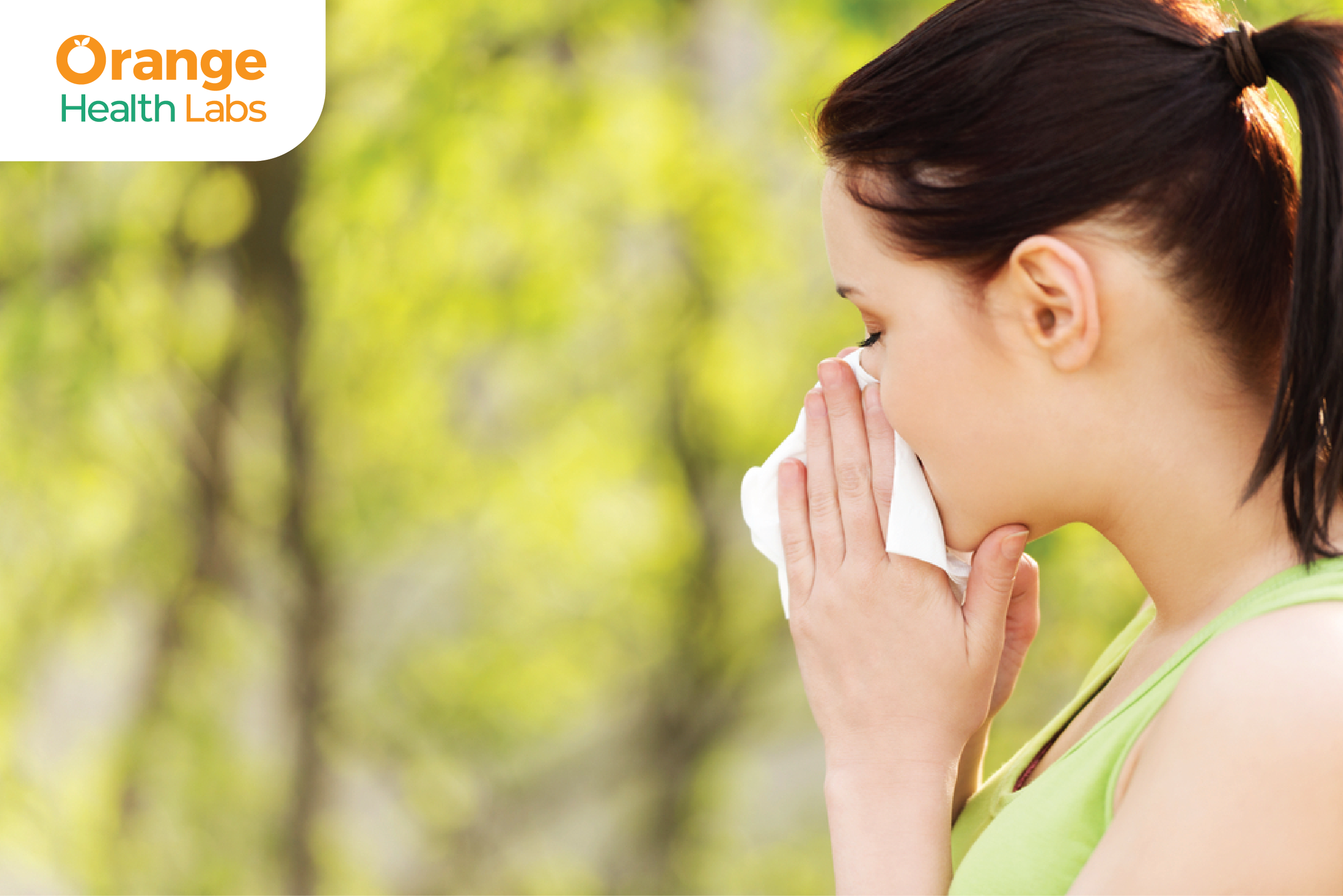
The prevalence of allergic diseases among children has notably risen in recent times. A child who sneezes or coughs often, gets rashes or hives frequently, or feels sick after eating certain foods might have allergies. The Phase 3 International Study of Asthma and Allergy in Children (ISAAC) in India shows rising childhood allergies: Asthma affects about 7% to 20% of 6- to 7-year-old and 13- to 14-year-old children. Allergic rhinitis affects 11.3% and 24.4% and eczema affects 2.7% and 3.6% of 6- to 7-year-old and 13- to 14-year-old children, respectively. Food allergies are lower but still concerning at 0.14% in children between 6 and 11 years of age. Every parent wishes to shield their child from suffering, especially from something like allergies that can be managed well. This article aims to advocate testing with an allergy test package and provide parents and caregivers with tips for managing allergies in children.
Understanding Childhood Allergies
The most frequent types of allergies in children are due to environmental allergens (like pollen or dust), food allergens (like peanuts), medicines (such as antibiotics), irritants (like cigarette smoke), chemicals (such as dyes), and pet allergens (like fur from pets). Allergy symptoms may include:
- Skin irritation, e.g., rash or hives.
- Breathing difficulties, coughing, and wheezing, as seen in asthma.
- Runny nose, sneezing, itchy eyes, or coughing.
- Upset stomach.
- A severe and potentially life-threatening allergic reaction known as anaphylaxis (which may result in difficulty breathing, vomiting, diarrhoea, low blood pressure, fainting, or even death.)
Diagnosis of Childhood Allergies
Identifying the allergen is important as it can help the doctor take proper steps to manage the allergy well. Selecting the right test is crucial for an effective diagnosis, as it can help identify the specific allergens responsible for the symptoms. To diagnose allergies, an allergist will conduct a thorough health history and physical examination along with testing. Testing methods include:
- Skin Tests:
- Prick or scratch test: The most common method involves placing a small amount of diluted allergen on the skin and pricking or scratching the area. The area is checked after an appropriate amount of time. Raised bumps in the skin test area indicate an allergic reaction.
- Intradermal tests: In this test, an allergen is injected under the skin. It helps to detect allergic reactions to insect stings and medications.
- Blood tests: These measure immunoglobulin E (IgE) antibodies to specific allergens in the blood. Blood tests are utilised when skin tests are not feasible, such as in individuals with certain skin conditions or recent severe allergic reactions.
- Challenge test: This test involves administering a very small amount of allergen orally or through inhalation. It determines the severity of the allergy.
Food Allergies in Children
Some common food allergens include:
- Peanuts and tree nuts
- Milk and milk products
- Soy
- Eggs
- Wheat
- Sesame
After consulting your child's doctor and identifying the allergens, it's essential to steer clear of those foods and similar ones. Here are some ways to care for your child with food allergies:
- If you breastfeed, avoid eating foods your child is allergic to.
- Check food labels carefully, read the ingredients list for every food, and learn alternative names for allergens.
- When dining out, provide a food allergy card to your server or manager. This card lists your child's specific allergies and includes reminders to ensure the utensils and equipment used for meal preparation are thoroughly cleaned.
Environmental Allergies and Asthma
Environmental allergens encompass various substances like:
- Pollen
- Moulds (indoors and outdoors)
- Dust mites
- Cockroaches
Childhood asthma, often severe, is closely linked to allergies. Many severe asthma cases are associated with allergies to foods, moulds, pollens, and pets. Early avoidance of airborne substances that can trigger allergy or asthma symptoms may help delay or prevent the onset of these conditions. For children at a high risk of allergies, certain precautions can be taken:
- Utilise zippered, “allergen-impermeable” covers for pillows and mattresses and wash the bedding weekly in hot water.
- Use air filtration (according to scientific studies, it might help reduce airborne allergens and offer some relief)
Pet Allergies and Other Sensitivities
Apart from food and environmental allergens, certain pet and other irritants can also trigger allergies in your child. These include:
- Pet dander (small scales from your pet's skin, hair, or feathers).
- Saliva or sweat from your pet that gathers on their fur and skin.
- Smoke (from tobacco, marijuana, perfume, or scented candles).
- Dust (which may include dead skin cells, fibres from clothing, hair, pollen, dust mites, dirt, bacteria, insect debris, and small plastic particles).
Now, let us look at some ways to reduce exposure to pet dander:
- Vacuum regularly, preferably with a high-efficiency particulate air (HEPA) vacuum cleaner.
- Establish pet-free zones in your home to minimise allergen exposure.
- Bathe and brush your pets frequently to minimise dander.
- Wipe down pets when they come inside, particularly if they spend time outdoors.
Here are additional ways to avoid irritants and allergens:
- Remain indoors during high pollen counts times and windy weather.
- Close windows and use air conditioning to minimise pollen entry while driving a car.
- Place a dehumidifier in damp areas, ensuring regular cleaning.
- Avoid window fans at home, as they can circulate pollen and dust, potentially worsening breathing difficulties.
- After outdoor activities during high pollen counts, ensure your child takes a bath or shower, washes their hair, and changes clothes.
- Always wear a mask while going to places where there is possible allergen exposure.
Medication Management
Medications to manage allergic symptoms include:
- Antihistamines
- Decongestants (only for children above 4)
- Nasal sprays
- Allergy Immunotherapy (allergy shots)
- Epinephrine auto-injectors (for severe reactions)
It's crucial to administer the correct dose as prescribed, as most medicines require specific amounts and timings to be effective. Antihistamines may cause drowsiness, while oral decongestants can lead to hyperactivity or difficulty sleeping in children. Nasal sprays and allergy shots typically have no long-term side effects. However, epinephrine auto-injectors might have some side effects including headache, anxiety, increased heart rate, high blood pressure, nausea, vomiting, weakness, and shaking. Thus, like any medication, allergy medications should only be used under the guidance of your child's doctor.
Lifestyle Modifications
When a child with an allergy encounters an allergen, their immune system reacts excessively, treating it as a threat to the body. Below are methods to maintain your children's health and enhance their immune system with just a few lifestyle changes:
- Promote a diet high in lean protein, whole grains, fruits, and vegetables.
- Encourage regular exercise, aiming for at least an hour of activity daily, such as playing or going for a walk.
- Prioritise sufficient sleep by limiting screen time before bedtime and maintaining a consistent sleep schedule.
- Reduce stress by providing downtime for play, access to enjoyable activities, and family time.
- Ensure your child's vaccinations are up to date by consulting their doctor.
- You can also maintain a clean and allergen-free home environment by following these tips:
- Close the windows and use an air conditioner to limit pollen entry.
- Maintain humidity below 50% to prevent mould and dust mites.
- Filter air with HEPA filters and cheesecloth over vents to prevent pollen entry.
- Avoid indoor smoking and the use of scented products.
- Keep mould-prone areas clean and dry.
- Vacuum surfaces twice a week, consider using hard flooring.
- Use microfiber covers and wash bedding weekly in hot water to avoid dust mites.
Allergy Education and Advocacy
Understanding a child’s allergies is essential for the child’s parents, their teachers, and any other adult caregivers for the well-being of the child. As parents, educating yourself about allergy policies can help you advocate for allergy-friendly policies in your child’s school, daycare, and other community settings. You should inform your child's school if they have any allergies. Here are some ways you can ensure your child’s safety in the school and social setting:
- Provide the school nurse or administrative office with a copy of your child's allergies and action plan for allergies and discuss their access to emergency medication like epinephrine.
- Inform caregivers about the potential allergy triggers posed by school pets.
- Consider seating arrangements for allergic children away from the blackboard to minimise irritation from chalk dust.
Book a allergy test package in your city: Allergy Test Package in Noida | Allergy Test Package in Bangalore | Allergy Test Package in Mumbai | Allergy Test Package in Hyderabad | Allergy Test Package in Gurgaon | Allergy Test Package in Faridabad | Allergy Test Package in Delhi
Emotional Support and Coping Strategies
Allergies in children can be stressful for both parents and the child as constant vigilance to avoid triggers can heighten anxiety levels. Thus, connecting with others who understand these challenges, share experiences, ask questions, and find support in a caring community can be helpful. You can also seek support from a mental health professional who is knowledgeable about allergies to help cope with stress and anxiety related to allergies.
Conclusion
Managing allergies in children is paramount for ensuring their health and well-being. Parents and caregivers should prioritise their child's health by seeking support from healthcare professionals who understand allergies and get tested via allergy test packages. It's also essential to create a safe environment by minimising exposure to allergens. By staying informed about allergy management strategies, parents can effectively support their children's needs and ensure their overall well-being.