Search for
SupportThe Role of HIV Testing in Prevention and Treatment
Introduction
The HIV (human immunodeficiency virus) infection continues to pose a significant global health challenge, affecting millions of people worldwide. HIV is a virus that targets specific cells in your immune system, which are responsible for defending your body against various diseases caused by germs like bacteria, viruses, and fungi. When these immune cells are depleted, your body becomes susceptible to infections and diseases. With its profound impact on health and well-being, combating HIV/AIDS remains a critical priority. People with HIV often remain asymptomatic, and the infection continues to spread. HIV testing has a critical role in managing HIV since it serves as a cornerstone in the prevention and control of the disease. This blog explores the pivotal role of HIV testing in the ongoing efforts to combat HIV/AIDS and its importance in safeguarding public health.
What is HIV Testing?
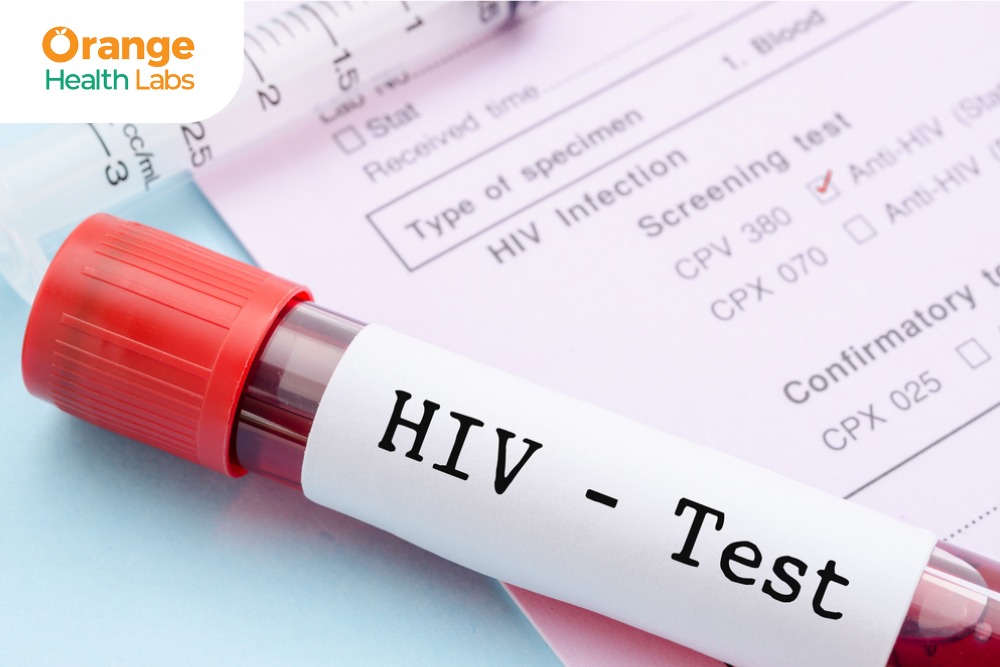
An HIV test is a vital tool for diagnosing HIV infection by analysing a sample of your blood. There are three primary types of HIV tests, all highly accurate but with varying detection times. No test can detect HIV immediately after infection because it takes time for the virus to replicate in the body and for the immune system to produce detectable levels of antibodies or antigens.
The types of HIV tests include:
HIV Antibody Tests
These tests screen for antibodies produced by the body against this virus. Antibody tests can be conducted using blood, saliva, or urine samples and are available in various forms, including laboratory tests and rapid tests for quick results.
HIV Antibody/Antigen Tests
This type of test detects both HIV antibodies and antigens, the latter being viral proteins that trigger the immune response against the virus. Antigen components appear in the blood earlier than antibodies, allowing for earlier detection of the HIV infection compared to antibody tests alone.
NAT (Nucleic Acid Tests)
NAT tests, also known as viral load tests, directly detect the genetic material of HIV in blood samples. These tests offer the earliest detection of HIV, typically within 10 to 33 days after infection, but are primarily used for monitoring HIV treatment rather than routine screening.
Understanding the different types of HIV tests and their detection capabilities is essential for individuals seeking testing and healthcare providers who offer screening services.
The Importance of Early HIV Detection
Reducing the Spread of HIV
Early diagnosis plays a pivotal role in halting the transmission of HIV. Timely identification of HIV-positive individuals enables the prompt initiation of treatment, reducing their viral load and consequently lowering the risk of transmitting the virus to others. Moreover, early detection allows for the implementation of preventive measures, such as counselling on safer sex practices and the provision of pre-exposure prophylaxis (PrEP) for individuals at high risk of HIV acquisition. By identifying and treating HIV infections early, we can effectively curb the spread of the virus within communities and populations.
Improving Treatment Outcomes
Early testing and diagnosis significantly improve health outcomes for individuals living with HIV. The introduction of highly active antiretroviral therapy (HAART) has revolutionised HIV treatment, transforming what was once considered a terminal illness into a manageable condition. Research has demonstrated that initiating antiretroviral therapy soon after diagnosis leads to better treatment outcomes and enhances the quality of life of people living with HIV. Furthermore, early treatment initiation can prevent the progression of HIV infection to AIDS, reducing the risk of opportunistic infections and other HIV-related complications.
Advances in HIV Testing Technology
New advancements in HIV testing are making it easier and more convenient to get tested. Now, there are simple tests that can give you results quickly, using just a small drop of blood from your finger or other samples like saliva or urine. Some of these tests can even be done outside of a doctor's office, either by public health workers or at home. While some tests are ready to use in certain situations, others may need further testing.
HIV Testing as a Preventative Health Measure
Routine Testing Recommendations
According to the Centers for Disease Control and Prevention (CDC), individuals aged 13-64 years should undergo HIV testing annually. However, certain individuals with specific risk factors should get tested more frequently. The following individuals should get tested at least once a year if you: are a man who has had sex with another man; have engaged in anal or vaginal sex with someone who has HIV; have exchanged sex for money or drugs; have had multiple sex partners since your last HIV test; have shared syringes, needles or drug injection equipment; have been diagnosed with or treated for tuberculosis or hepatitis; have been diagnosed with or treated for another sexually transmitted disease; or have had sex with someone who meets any of the previously listed criteria or has an unknown history.
Community Health Benefits
Widespread HIV testing not only benefits individuals but also has significant positive effects on community health. By identifying HIV infections early, we can prevent the spread of the virus to others and ensure that infected individuals receive timely treatment. This not only helps in controlling an HIV epidemic but also reduces the overall burden of HIV-related illness and mortality in our communities. Additionally, routine testing helps to reduce the stigma surrounding HIV and encourages open conversations about sexual health, leading to increased awareness.
Barriers to HIV Testing and How to Overcome Them
Some common barriers to HIV testing are:
- Social stigma
- Fear of disclosure
- Lack of access
- Misconceptions and myths
- Financial constraints
- Perceived risk
Here are some strategies that can help overcome the barriers associated with HIV testing:
- Community Outreach: Conducting awareness campaigns and providing education about the importance of HIV testing.
- Confidentiality Assurance: Ensuring privacy and confidentiality in testing settings to alleviate fears of stigma.
- Accessibility: Increasing access to testing through mobile clinics, home testing kits, and telehealth services.
- Targeted Interventions: Tailoring testing initiatives to address specific needs of at-risk populations, such as men who have sex with men (MSM), transgender individuals, and people of colour.
- Normalising Testing: Promoting routine HIV testing as a regular part of healthcare visits to reduce stigma and encourage proactive screening.
Conclusion
In conclusion, HIV testing is not just a medical procedure but a critical tool in the prevention and treatment of HIV/AIDS. By detecting the virus early, we can significantly reduce its spread within the community and improve health outcomes for individuals living with HIV. Routine testing recommendations ensure that individuals at risk are identified and connected to appropriate care. However, barriers to testing still exist, including social stigma, lack of access, and financial constraints. To overcome these barriers, targeted interventions, community outreach, and normalisation of testing are essential.
Book HIV Test in your city: HIV Test in Mumbai | HIV Test in Bangalore | HIV Test in Noida | HIV Test in Hyderabad | HIV Test in Gurgaon | HIV Test in Faridabad | HIV Test in Delhi