Search for
SupportUnderstanding 9 Health Risks Associated with PCOD
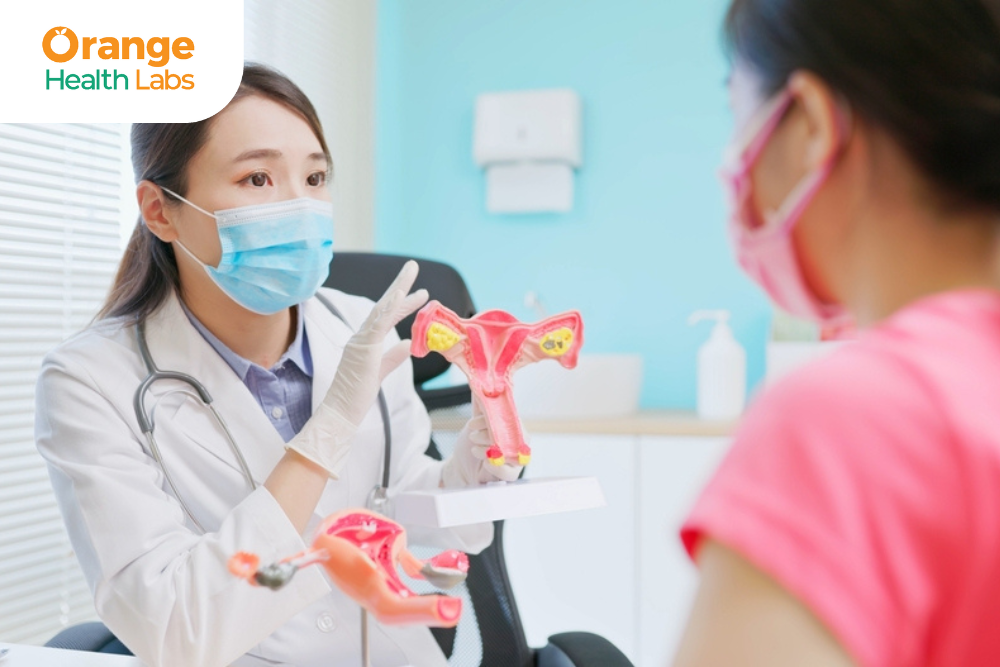
Polycystic ovarian disease, often abbreviated as PCOD, is a prevalent hormonal imbalance that affects a significant portion of women during their reproductive years. This condition disrupts the delicate hormonal interplay within the female body, leading to a cascade of symptoms and potential health risks such as irregular periods, excess hair growth, acne, infertility, heart disease, and diabetes.
By gaining a deeper understanding of PCOD with the help of a comprehensive PCOD test package, women can work with their healthcare providers to effectively manage the condition and minimise its impact on their overall well-being. This knowledge empowers them to take proactive steps towards preventing potential health complications associated with PCOD.
Let’s delve deeper into the health risks that are associated with the PCOD.
- Insulin Resistance and Type 2 Diabetes
The hormone insulin plays a critical role in regulating blood sugar levels. However, sometimes the body cells become resistant to the effect of insulin, leading to a condition called insulin resistance. When insulin resistance becomes severe or prolonged, the blood sugar levels in the body increase. This condition is known as type 2 diabetes. Symptoms of type 2 diabetes may include frequent urination, increased thirst, and unexplained weight loss. Type 2 diabetes can lead to serious health complications if it is not treated.
Women with PCOD are at a significantly increased risk of developing insulin resistance and type 2 diabetes.
Early detection and management are crucial to prevent the long-term consequences of insulin resistance and type 2 diabetes.
Regular check-ups, open communication with healthcare providers, and adopting healthy lifestyle habits can empower women with PCOD to reduce their risk of developing type 2 diabetes and live long, healthy lives.
- Cardiovascular Disease
Women with PCOD are at increased risk for developing cardiovascular disease, the leading cause of death globally. This heightened risk stems from PCOD's influence on several key cardiovascular risk factors, such as:
- Obesity
- High blood pressure
- Abnormal lipid levels
The good news is that by identifying and managing these risk factors, women with PCOD can significantly reduce their risk of developing heart disease. Working with a healthcare provider to develop a personalised management plan that includes regular blood pressure checks, screening with a PCOD test package, lifestyle modifications such as exercising and weight loss, and taking medication as needed empowers women with PCOD to live long and heart-healthy lives.
- Infertility and Fertility Complications
For many women, the dream of motherhood is a central part of life. However, PCOD can cast a shadow on this dream by impacting ovulation and fertility. Understanding how PCOD affects fertility, and the available options for fertility treatment can empower women with PCOD to navigate this journey better.
- Ovulation Disruption: Healthy ovulation is crucial for conception. During a menstrual cycle, follicles containing eggs mature in the ovaries. In a typical cycle, one dominant follicle releases a mature egg (ovulation) for potential fertilisation. PCOD disrupts this delicate process.
- Hormonal Imbalance: The hormonal imbalances associated with PCOD can lead to irregular or infrequent ovulation. Elevated androgen levels may disrupt the proper development and release of eggs.
- Multiple Follicles, No Release: In some cases, women with PCOD develop multiple small follicles in the ovaries but none become dominant enough to ovulate, leading to a condition called anovulation.
A timely diagnosis of PCOD is essential to allow women to explore fertility options with their healthcare provider early on. For women who are struggling to conceive naturally, fertility treatments such as ovulation-inducing medications or more advanced technologies like in vitro fertilisation can offer hope.
- Endometrial Cancer
PCOD can have far-reaching health implications, and one potential concern is an increased risk of endometrial cancer. This arises from the hormonal imbalance and irregular menstrual cycles that are characteristic of PCOD.
Endometrium, the inner lining of the uterus, naturally thickens in each menstrual cycle in preparation for a potential pregnancy. During a normal cycle, ovulation triggers the release of progesterone, a hormone that balances the effects of estrogen and helps regulate endometrial growth.
In PCOD, infrequent or absent ovulation disrupts this hormonal balance. Without regular progesterone production, the endometrium is exposed to unopposed estrogen for extended periods. This prolonged exposure can lead to endometrial hyperplasia or thickening of the endometrial lining. While not cancerous itself, endometrial hyperplasia increases the risk of endometrial cancer over time.
Early detection is crucial for the successful treatment of endometrial cancer. Here's what women with PCOD can do:
- Regular Checkups: Schedule regular checkups with a gynaecologist for a pelvic exam and discussion of any concerning symptoms.
- Endometrial Biopsy: In some cases, depending on individual risk factors and symptoms, an endometrial biopsy may be done to examine the uterine lining for abnormalities.
- Oral Contraceptives: Birth control pills containing both estrogen and progesterone can regulate menstrual cycles and reduce unopposed estrogen exposure.
- Progestin Therapy: For women who cannot take birth control pills, progesterone-only therapy can also help regulate the endometrium and reduce risk.
- Sleep Apnoea
PCOD and sleep apnoea may seem like unrelated conditions, but research suggests a surprising connection. Women with PCOD are at an increased risk of developing sleep apnea, a disorder characterised by pauses in breathing during sleep. Several factors, such as the following, contribute to the increased risk of sleep apnoea in PCOD:
- Hormonal imbalance
- Weight gain
- Inflammation
While sleep apnoea can sometimes go undiagnosed, some common symptoms in women with PCOD may include:
- Excessive daytime sleepiness
- Loud snoring
- Restless sleep
- Morning headaches
- Difficulty concentrating
Sleep apnea not only disrupts sleep, but it can also have serious health consequences like high blood pressure, heart disease, and even diabetes. For women with PCOD, who are already at an increased risk for these conditions, ensuring quality sleep becomes even more crucial.
Consulting a healthcare provider for a sleep study can help diagnose sleep apnoea and determine appropriate treatment options, such as CPAP therapy, which uses a machine to keep the airway open during sleep.
- Anxiety and Depression
The emotional and psychological toll of PCOD is significant, with women experiencing higher rates of anxiety and depression compared to the general population. Several factors contribute to the increased risk of anxiety and depression in PCOD:
- Hormonal fluctuations
- Body image concerns
- Infertility struggles
- Social stigma
- Persistent feelings of sadness, worthlessness, or hopelessness
- Excessive worry or anxiety that interferes with daily life
- Loss of interest in activities that you once enjoyed
- Changes in appetite or sleep patterns
- Difficulty concentrating
- Thoughts of self-harm or suicide
If you are experiencing any of these symptoms, it's important to seek help. A therapist can provide a safe space to explore your emotions, develop coping mechanisms for stress, and improve self-esteem. Connecting with others who understand the challenges of PCOD can be a source of strength and validation. Management of PCOD should encompass not just physical symptoms but also mental health. By addressing both aspects, a woman can experience a significant improvement in overall well-being.
- Gestational Diabetes
For women with PCOD embarking on the journey of motherhood, an additional hurdle may present itself in the form of gestational diabetes. This form of diabetes develops during pregnancy and can pose health risks for both mother and baby. Several factors, such as the following, contribute to the increased risk of gestational diabetes in PCOD:
- Insulin resistance
- Inflammation
- Genetic predisposition
Gestational diabetes often has no obvious symptoms, highlighting the importance of prenatal screenings. These typically involve blood tests during the second trimester to measure blood sugar levels.
While gestational diabetes requires careful monitoring and sometimes medications, lifestyle changes, such as a healthy diet and regular exercise can significantly improve blood sugar control.
Managing gestational diabetes in the context of PCOD requires a team effort. Open communication with your healthcare provider, including an obstetrician and potentially a registered dietitian, is essential. Working together, a personalised plan can be developed to address both PCOD and gestational diabetes, ensuring a healthy pregnancy and a safe delivery.
- Nonalcoholic Fatty Liver Disease (NAFLD)
PCOD can have a domino effect on health, and one potential concern is an increased risk of nonalcoholic fatty liver disease (NAFLD). This condition, characterised by an unhealthy buildup of fat in the liver, can pose serious health risks if left unchecked.
Several factors such as insulin resistance, inflammation, and genetic predisposition contribute to the association between PCOD and NAFLD:
Early detection and intervention are crucial to prevent NAFLD from progressing to more severe stages. There are often no obvious symptoms of NAFLD, making routine checkups and liver function tests crucial for early detection. Healthcare providers may also recommend imaging tests like ultrasound to assess the extent of fat accumulation in the liver.
Through regular monitoring of liver health, adopting a healthy lifestyle, and working with a healthcare provider, women with PCOD can take proactive steps to prevent NAFLD and safeguard their long-term health.
- Hormonal Imbalances and Menstrual Irregularities
In PCOD, the hormonal balance is thrown off-kilter due to excess androgens and chronic anovulation. Ignoring the menstrual irregularities associated with PCOD can have serious long-term consequences, such as infertility, endometrial cancer, insulin resistance, and type 2 diabetes.
Seeking medical advice for irregular periods is crucial, especially in the context of PCOD. Talking to a healthcare provider and seeking timely treatment can help regulate menstrual cycles, improve fertility, and safeguard long-term health.
Book a PCOD test package in your city: PCOD Test Checkup in Noida | PCOD Test Checkup in Bangalore | PCOD Test Checkup in Mumbai | PCOD Test Checkup in Hyderabad | PCOD Test Checkup in Gurgaon | PCOD Test Checkup in Faridabad | PCOD Test Checkup in Delhi
Conclusion
PCOD disrupts a woman's hormonal balance, leading to a range of health concerns. Here's a summary of the key health risks and the importance of proactive management with regular testing: Early diagnosis allows for prompt treatment to regulate menstrual cycles, improve fertility, and reduce the risk of long-term complications. Regular testing, including blood tests, ultrasounds, and potentially liver function tests, helps monitor health and identify any developing issues early on. Lifestyle modifications like a healthy diet, regular exercise, and weight management are crucial for managing PCOD and reducing associated health risks. Open communication with healthcare providers regarding symptoms and concerns empowers women with PCOD to take charge of their health and well-being.