Consider undergoing the Vitamin Package-Essential in the following situations:
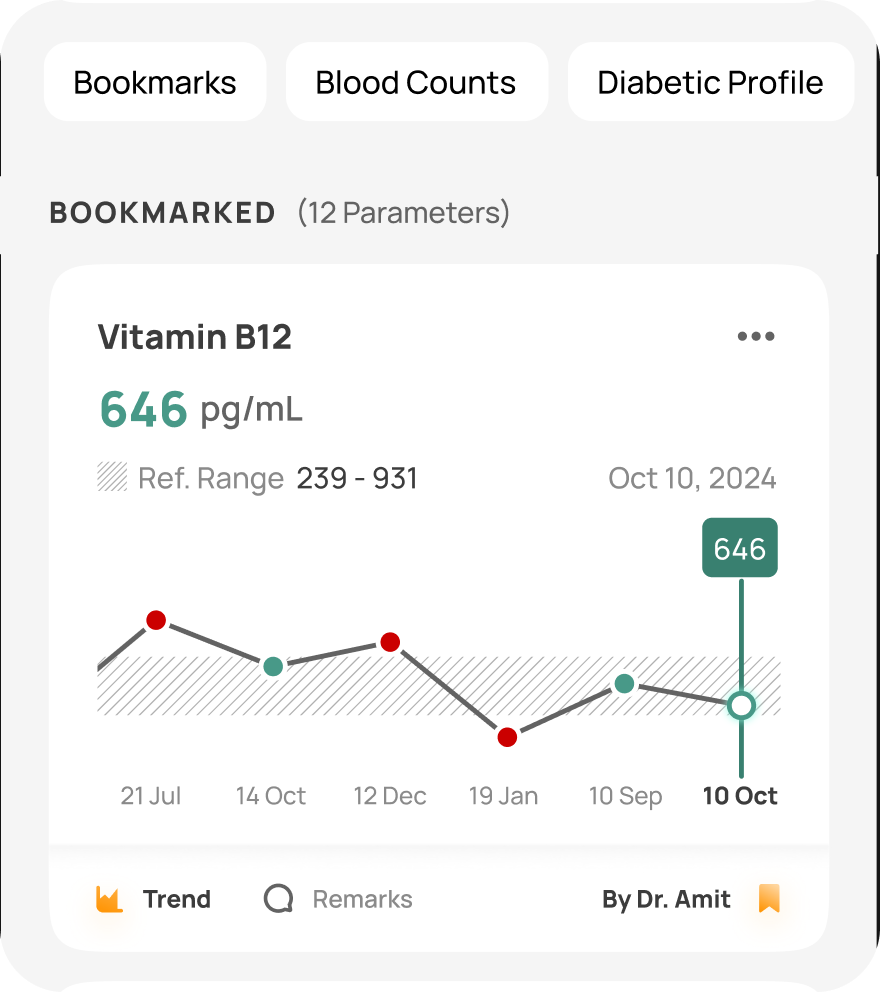
Vitamin B12 Test
Consider testing for vitamin B12 if:
• Health Issues: You have symptoms indicative of a B12 deficiency, including tiredness, heart irregularities, unexplained weight loss, or numbness in extremities.
• Nutritional Deficiencies: If your diet lacks B12-rich foods like meats, eggs, and dairy, testing may be necessary.
• Alcohol Consumption: Excessive drinking can hinder the absorption of vitamin B12, making it important to monitor levels.
• Post-Operative Conditions: Those who have had surgeries affecting the digestive system, such as gastric bypass, should be tested.
• Monitoring Chronic Conditions: Conditions such as celiac disease, Crohn’s disease, or any malabsorption issues increase the need for testing.
• Assessing Medication Effects: If you’re on medications that might alter your vitamin B12 levels, testing can assess their impact.
Vitamin D Test
Testing for vitamin D is essential for:
• Assessing Bone Health: To check for vitamin D deficiency that could lead to bone pain, muscle weakness, bone deformities, frequent fractures, or conditions like osteoporosis.
• Age-Related Factors: Individuals over 65 may need testing due to reduced vitamin D production in the skin with age.
• Limited Sunlight Exposure: If you have minimal sunlight exposure due to indoor lifestyle, sun protection, or residing in areas with less sunlight.
• Monitoring Illnesses: For those with conditions that affect nutrient absorption, such as obesity, Crohn’s disease, celiac disease, or liver and kidney issues.
• Monitoring Treatments: If you are on medication that impacts vitamin D levels, regular testing is advised.
• Health Assessment of Paediatrics: Testing is crucial to avoid developmental problems in children who have limited sun exposure are mostly breastfed (at risk of Vitamin D deficiency), have darker skin, or have a diet low in vitamin D.